

Why do I need to worm my dog?
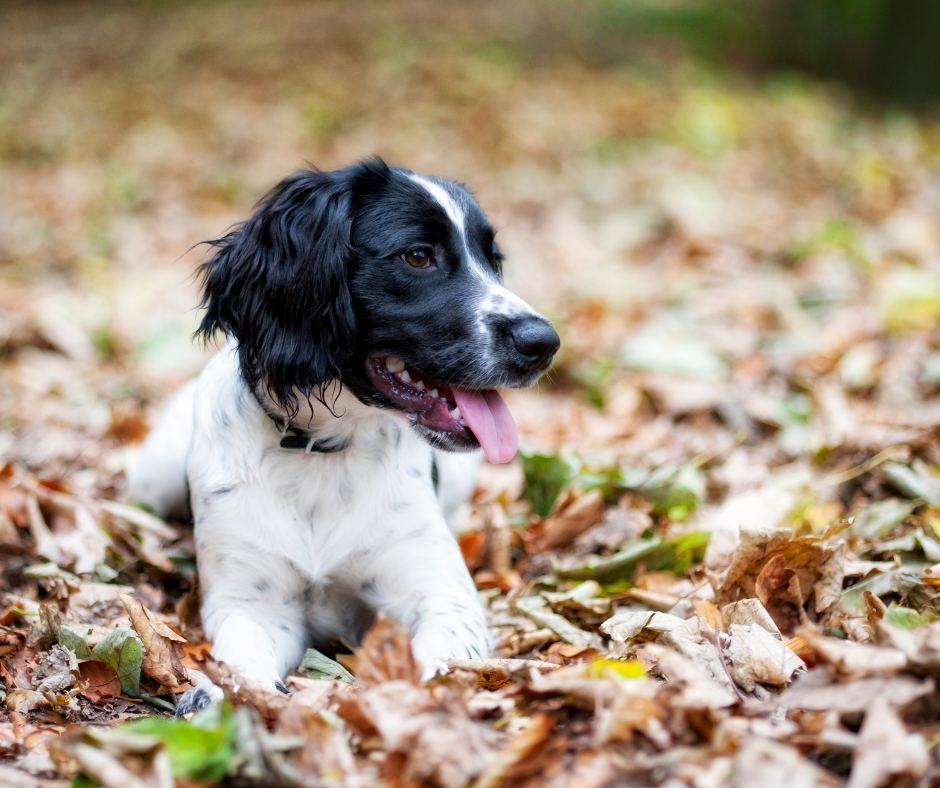
Worms are an unavoidable part of dog ownership that no one especially likes thinking about. Every dog, at some point during their life, has probably had worms. These common parasites are easily treatable and entirely preventable with the right product. But do you really need to bother? Do worms actually make dogs unwell?
What kinds of worms can dogs have?
There are a few different types of worms that can affect your dog. Species found in the UK include: roundworms, tapeworms, hookworms, whipworms and lungworm.
Heartworm is present in many other countries and is something to consider if you holiday abroad with your dog. Speak to your vet who can advise how you can best protect your globe-trotting dog.
Roundworms
- Infected mothers pass worms to their puppies through the placenta before birth, and in the milk when they feed. Preventative treatments given to the mother will protect her puppies.
- Dogs can ingest roundworm eggs from infected soil or by scavenging dead rodents.
- As the name suggests, roundworms are long, tubular shapes. If passed, they are easily visible in dog poo or vomit, but most infected dogs do not pass whole worms.
- The larvae migrate through the body and can damage the digestive tract and other organs, although in most adult dogs there are few serious side effects.
- Most roundworm species are zoonotic, which means they can infect humans, damaging liver, internal organs and brain (visceral larval migrans), as well as the eyes (ocular larval migrans). Children are at the highest risk of infection.
Tapeworms
- Fleas carry tapeworm eggs and can infect dogs when the dog bites back (usually when grooming).
- Tapeworm segments look like flattened grains of rice and are visible in your dog’s poo or around their bottom.
- Tapeworms absorb nutrients from your dog’s digestive tract.
Hookworms and whipworms
- Both are uncommon in the UK.
- Infection is by ingesting eggs or through the skin (hookworms only).
- They infect puppies via their mother’s milk or when dogs accidentally eat larvae found in the environment (larvae is the stage in a worm’s lifecycle between an egg and an adult). Lungworms
- Lungworms move through a dog’s body until they reach the lungs.
- They can cause serious (or even fatal) illness.
- Some dogs develop serious bleeding disorders and pneumonia (lung infection).
- Slugs and snails carry lungworm larvae and infect dogs after being ingested or licked.
- Slime-trail covered toys left out in the garden are another source of infection.
What health problems do worms cause?
Your dog might have worms and be absolutely fine, or they could become very unwell. It all depends on your dog’s age, the type and number of worms they have and their general health.
Signs your dog may have worms includes:
- Worms in your dog’s poo or vomit
- An itchy bottom
- Diarrhoea (sometimes with blood)
- Vomiting (young puppies vomit severely if worms block their digestive tract)
- Weight loss despite a normal appetite
- Failure to thrive (puppies with worms often have stunted growth)
- A swollen, bloated abdomen (stomach area) – usually in puppies or young dogs
- Lethargy (more tired than usual)
- Coughing or problems related to blood clotting (common first signs of lungworm)
If your dog has any of these symptoms, speak to your vet for advice. They can carry out tests to work out whether your dog has worms or if their symptoms are due to other illnesses.
Why worm?
Your dog may have worms but not show any obvious symptoms. However, excessive use of wormers can be damaging to the environment, and can lead the worms over time to become resistant to the medications. An appropriate and balanced preventative health plan will make sure that your dog is protected from the worms they are at risk from, without overusing these important medications.
Following a suitable plan for your dog will protect them from life-threatening illnesses (especially the complications arising from lungworm infections). You’re also ensuring that your dog isn’t a source of infection for local open spaces such as parks and playing fields.
What products should you worm your dog with?
Only your vet is able to fully assess the risk factors that your dog has, and help you select the most suitable worming programme for them as an individual. Safe and effective veterinary-licensed products are available for every puppy and dog, whatever their age.
So if you’re worried, make an appointment – or speak to one of our vets next time you’re in the surgery.